Bill C-9 · 45th Parliament · Mark Carney
Combatting Hate Act
An Act to amend the Criminal Code (hate propaganda, hate crime and access to religious or cultural places)
Government bill. Became law.
- IntroducedSept. 19, 2025
- Debated in principleOct. 1, 2025
- Studied by a committeeDone
- Passed its first chamberMarch 25, 2026
- Passed the second chamberJune 4, 2026
- Became lawJune 18, 2026
Leading supporters
Ranked by the part each played: who is responsible for the bill, who carried it, and who spoke for it most.
- Mark CarneyPrime Minister

- Kristopher WellsSenate · Sponsor in the Senate

- Pierre MoreauSenate · Government Representative in the Senate

- Guillaume Deschênes-ThériaultLiberalDescribes the bill as introducing targeted reforms to combat hate and protect communities.

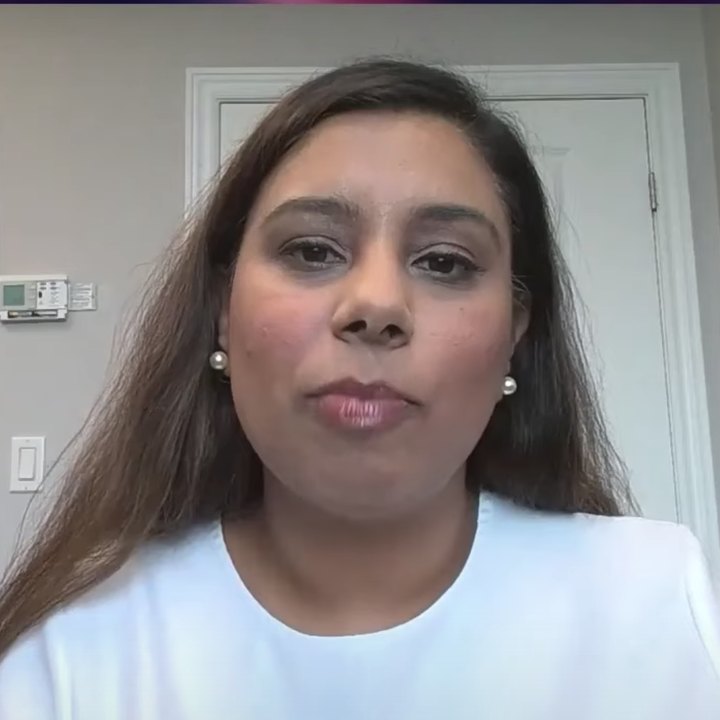
- Ruby SahotaLiberalStates firm support for the bill as legislation delivering on commitments.
- Anthony HousefatherLiberalStates he has asked for the bill for two years and calls it desperately needed.

- Alexis DeschênesBlocDefends the bill's interpretive clauses as addressing concerns about religious practice.

- Mario SimardBlocAgrees on need for legislation to address hate including religious exemptions.

Who carries this bill
Arrows run from the person responsible to those who answer to them on this bill. The critic leads the Senate’s scrutiny and answers to no one on it.




Where members stand
3rd reading and adoption of Bill C-9 · 2026-03-25 · Passed
- Voted for: 186
- Voted against: 137
- Paired: 10
- Did not vote: 7
For it 180
Voted for it, or spoke in support



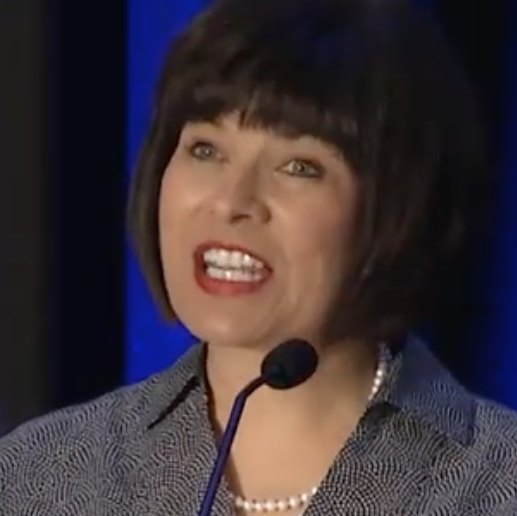





























and 140 more
Challenging it 27
Support only with changes, or serious objections raised in debate


























Against it 120
Voted against it and argued against it




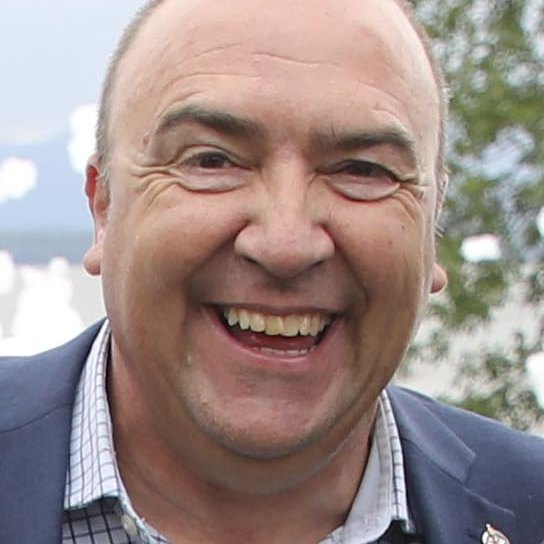


































and 80 more
What the Senate tried to change
- adds provisionsWanda Thomas BernardAmended clause 4 to add the noose to the list of terrorism and hate symbols in new section 319(2.2).Adopted · June 3, 2026 · Senate record
- technicalDavid ArnotMoved a subamendment to clarify the list of hate symbols to include SS bolts in the English version of the report.Adopted · June 3, 2026 · Senate record
- adds safeguardsYonah MartinProposed amendment to clause 11.1 replacing text to include 'in good faith' and striking parts of the clarification clause.Outcome not recorded in the debate · June 4, 2026 · Senate record
How it changed on the way
16% of the text as introduced was changed or removed by the time it became law (1,544 words introduced, 1,737 passed). A committee amended it.
moderate changeintent mostly kept
The bill kept its main purpose of expanding hate propaganda and hate crime offences but reinstated the Attorney General consent requirement and narrowed the religious defence. It also expanded the list of prohibited symbols, revised the definition of hatred, and added public-interest clarifications.
- Reinstated the requirement for Attorney General consent to institute proceedings.
Before: “Subsection 318(3) of the Act is repealed.”
After: “Subsection 318(3) of the Act is replaced by the following: Consent (3) No proceeding shall be instituted under this section without the consent of the Attorney General.”
- Added a noose to the list of prohibited symbols.
Before: “(b) the Nazi Hakenkreuz, also known as the Nazi swastika, or the Nazi double Sig-Rune, also known as the SS bolts;”
After: “(b) the Nazi Hakenkreuz, the Nazi double Sig-Rune, also known as the SS bolts, or a noose;”
- Removed religion from the list of legitimate purposes in the symbol-display defence.
Before: “(a) if the display of the symbol was for a legitimate purpose, including a legitimate purpose related to journalism, religion, education or art, that is not contrary to the public interest;”
After: “(a) if the display of the symbol was for a legitimate purpose, including a legitimate purpose related to journalism, education or art, that is not contrary to the public interest;”
- Replaced the definition of hatred and added two public-interest clarification clauses.
Before: “hatred means the emotion that involves detestation or vilification and that is stronger than disdain or dislike;”
After: “hatred means an emotion of an intense and extreme nature that is clearly associated with vilification and detestation;”
How precisely it is written
mixedChallenging the law: ModerateDisputing a charge: Moderate
The bill supplies exact lists of symbols, fixed penalty ladders and a narrow definition of hatred, yet relies on open-ended phrases such as 'likely to be', 'public interest' and 'motivated by hatred'. Multiple steps, including prosecution itself, turn on the Attorney General's consent or later judicial assessment of subjective states.
Open to argument
“a symbol that so nearly resembles a symbol described in paragraph (a) or (b) that it is likely to be a symbol described in paragraph (a) or (b)”
The word 'likely' introduces a probabilistic judgment without an objective test.“for a legitimate purpose, including a legitimate purpose related to journalism, education or art, that is not contrary to the public interest”
'Public interest' is undefined and leaves the defence's scope to case-by-case argument.“if the commission of the included offence is motivated by hatred based on race, national or ethnic origin”
Proof of motivation requires inquiry into an internal mental state with no bright-line indicators.
Clear-cut
“the Nazi Hakenkreuz, the Nazi double Sig-Rune, also known as the SS bolts, or a noose”
Concrete items are enumerated without qualifiers or open-ended categories.“liable to imprisonment for a term not exceeding two years”
Numerical maximum sentence is stated in clear, fixed terms.
Discretion. Consent of the Attorney General is required to institute proceedings under subsections 319(2), (2.1) or (2.2) and section 318, placing charging decisions in the hands of a single official.
Challenging the law itself. Sections 2(b) and 7 of the Charter could be invoked against the 'public interest' defence and the resemblance clause on grounds of vagueness or overbreadth, though the statutory clarifications may blunt some arguments.
Disputing a charge under it. An accused can readily dispute resemblance of a symbol, the existence of 'legitimate purpose' or the presence of hatred as the motivating factor, given the subjective wording.
Read by a language model from the royal assent text; every quoted phrase appears in the bill. A reading of the drafting, not legal advice.
Did it work?
The evidence has not been searched yet.
Who lobbied on it
No lobbying registration naming this bill is loaded.
Stages and dates from LEGISinfo.