Bill C-38 · 45th Parliament · Mark Carney
Canadian Fuel Affordability Act
An Act to amend the Excise Tax Act (extension of the federal fuel excise tax relief)
Government bill. Became law.
- IntroducedSept. 21, 2026
- Debated in principleSept. 22, 2026
- Studied by a committeeDone
- Passed its first chamberOct. 20, 2026
- Passed the second chamberOct. 28, 2026
- Became lawOct. 29, 2026
Leading supporters
Ranked by the part each played: who is responsible for the bill, who carried it, and who spoke for it most.
- Mark CarneyPrime Minister

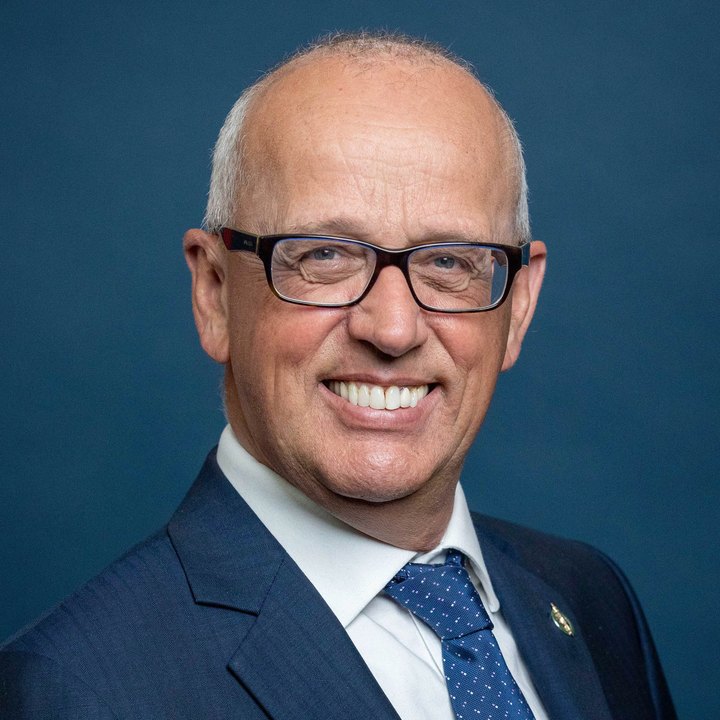
- Éric ForestSenate · Sponsor in the Senate
- Pierre MoreauSenate · Government Representative in the Senate

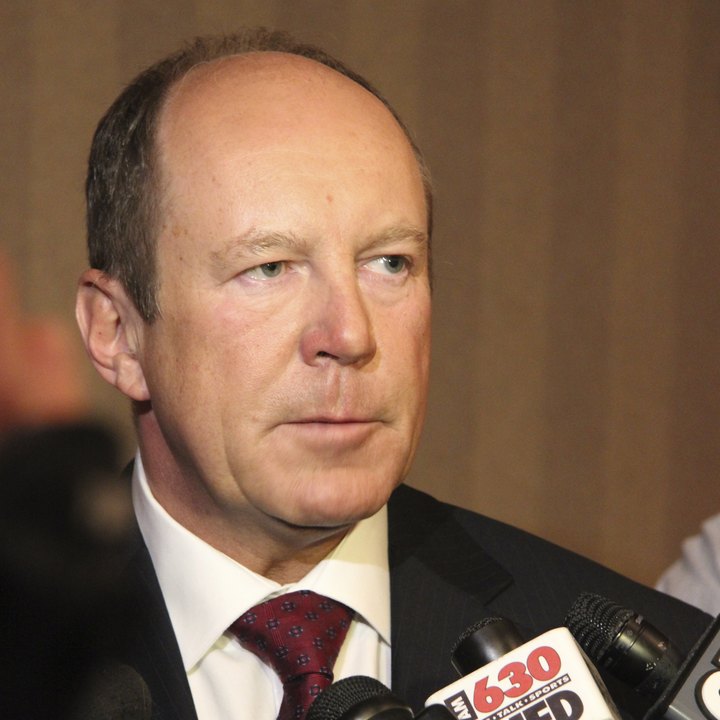
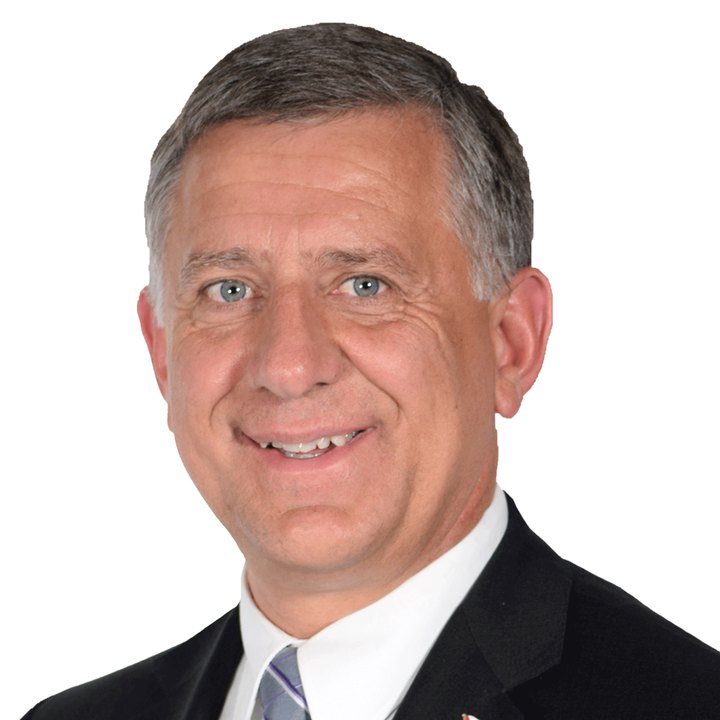
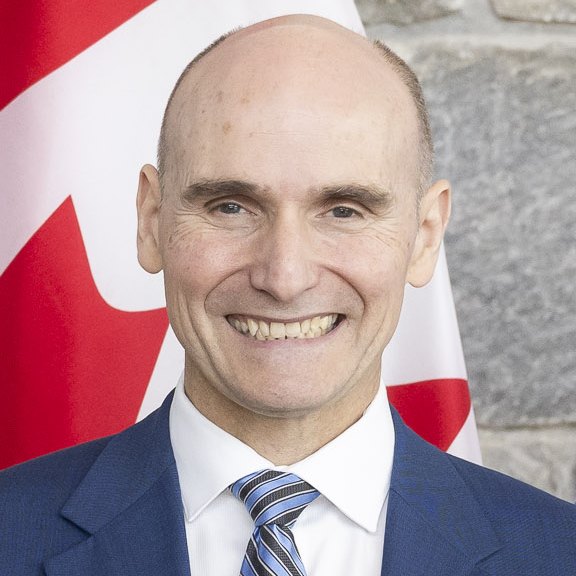
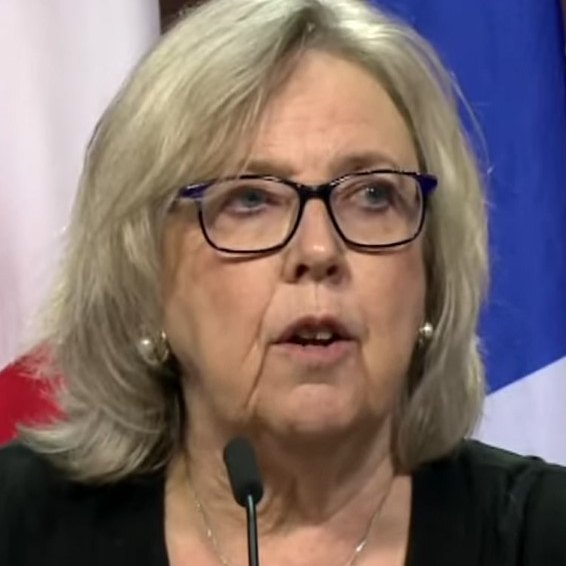
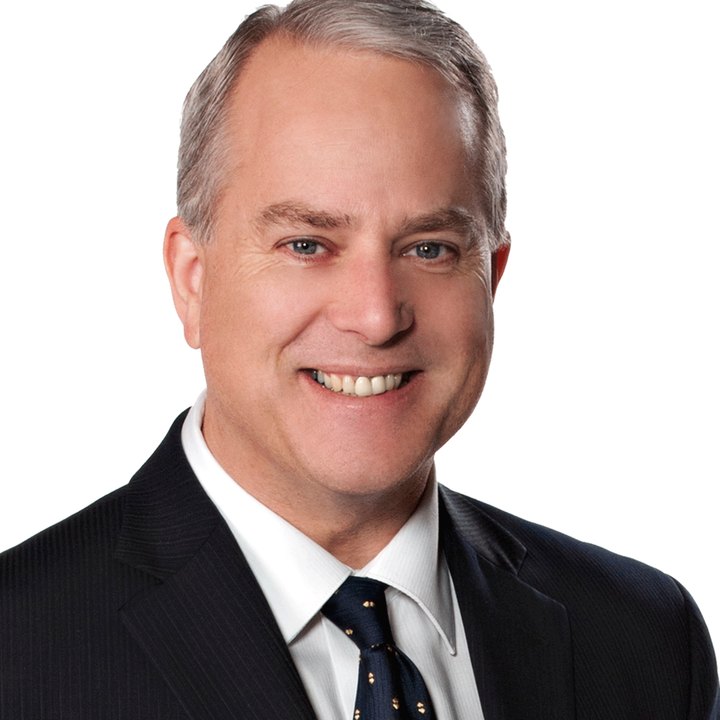
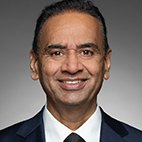
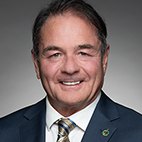
- Guillaume Deschênes-ThériaultDefends the bill as an affordability measure and notes support for it.

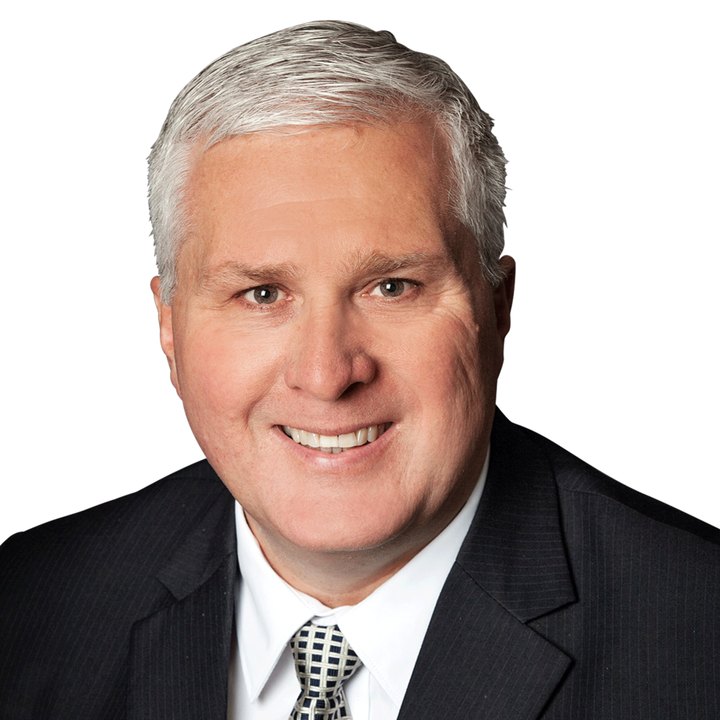
- Arnold ViersenReluctantly compliments the bill while noting prior opposition to tax removal.

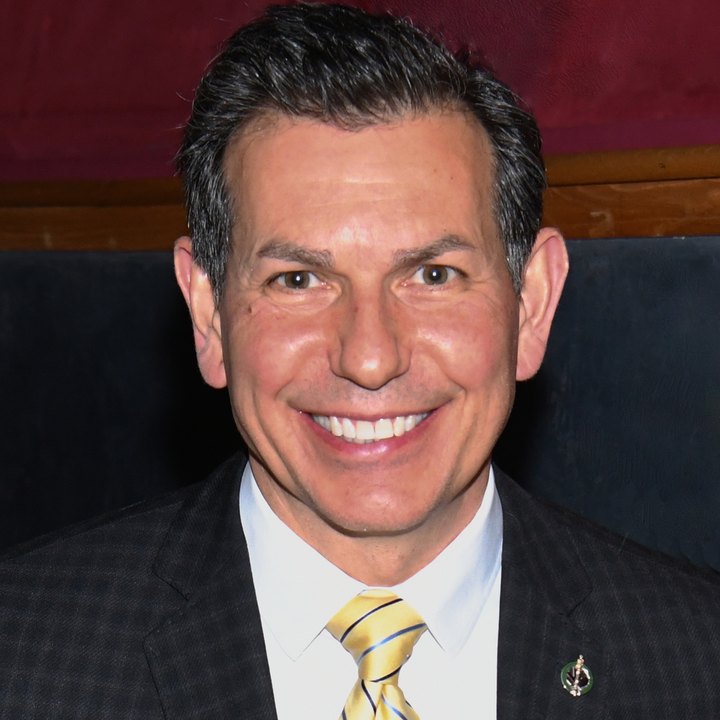
- Carlos LeitãoCalls the bill an important debate on extending fuel tax measures amid cost-of-living pressures.

- Kevin LamoureuxDefends the government's affordability agenda and the bill as part of it.
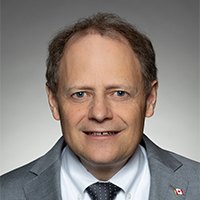
- John-Paul DankoDefends government action on fuel costs as a permanent reduction.

Who carries this bill
Arrows run from the person responsible to those who answer to them on this bill. The critic leads the Senate’s scrutiny and answers to no one on it.
What it set out to do
The Library of Parliament does not prepare Legislative Summaries for self-explanatory measures. The following is a short summary: On 21 September 2026, the Minister of Finance and National Revenue introduced Bill C-38, An Act to amend the Excise Tax Act (extension of the federal fuel excise tax relief) (Canadian Fuel Affordability Act) in the House of Commons and it was given first reading. Bill C-38 amends the Excise Tax Act to extend the temporary suspension of the federal fuel excise tax until January 31, 2027 and to temporarily set the excise tax rates on fuels to 50% of the regular rates for the period beginning on February 1, 2027 and ending on March 31, 2027
Summary by the Library of Parliament.
Where members stand

























































How it changed on the way
The texts have not been compared yet.
How precisely it is written
mostly preciseChallenging the law: HardDisputing a charge: Hard
The bill uses exact dollar amounts, listed fuels, and calendar periods to adjust excise tax rates for set intervals. A few date references omit the day of the month, creating minor room for argument over start and end points.
Open to argument
“after January 2027 and before April 2027”
Uses month and year only, leaving the precise first and last days open to interpretation without cross-reference.
Clear-cut
“the reference to “$0.10” in paragraph 9(a) is to be read as a reference to “$0.05””
Replaces a defined numeric rate with another fixed number, eliminating discretion in calculation.“unleaded gasoline, unleaded aviation gasoline, leaded aviation gasoline, diesel fuel or aviation fuel”
Enumerates the exact products covered by the rate changes.“Subsection (1) comes into force or is deemed to have come into force on February 1, 2027”
Fixes a single calendar date for commencement with no condition or opinion involved.
Discretion. The amendments contain no grants of power to ministers, officials, or regulations; rates and timing are fixed in the statute itself.
Challenging the law itself. Objective numeric rates and fixed dates supply clear standards that would withstand a vagueness or overbreadth challenge under the Charter.
Disputing a charge under it. Tax liability is determined by applying listed dollar substitutions to specific fuels during defined periods, leaving minimal factual dispute once dates and quantities are known.
Read by a language model from the as introduced text; every quoted phrase appears in the bill. A reading of the drafting, not legal advice.
Did it work?
The evidence has not been searched yet.
Who lobbied on it
No lobbying registration naming this bill is loaded.
Stages and dates from LEGISinfo.