Bill C-34 · 45th Parliament · Mark Carney
Safe Social Media Act
An Act to enact the Digital Safety Act and the Digital Safety Commission of Canada Act and to make consequential amendments to other Acts
Government bill. Still before Parliament.
- IntroducedJune 10, 2026
- Debated in principleOct. 29, 2026
- Studied by a committeeNot reached
- Passed its first chamberNot reached
- Passed the second chamberNot reached
- Became lawNot reached
Leading supporters
Ranked by the part each played: who is responsible for the bill, who carried it, and who spoke for it most.
- Mark CarneyPrime Minister
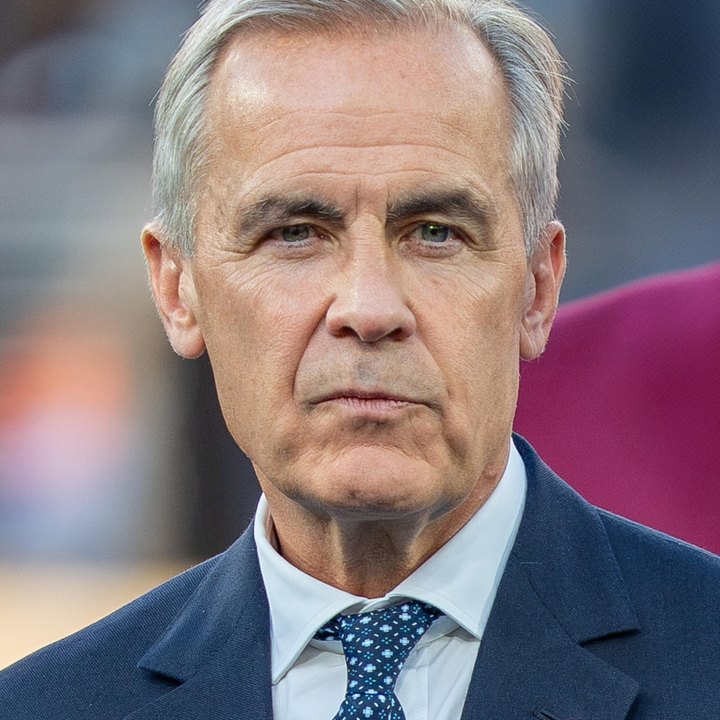
- Bienvenu-Olivier Ntumbasays through this bill we must take action before harm occurs with corporate accountability

- Guillaume Deschênes-ThériaultDefends bill as necessary public safety measure based on consultations and studies.
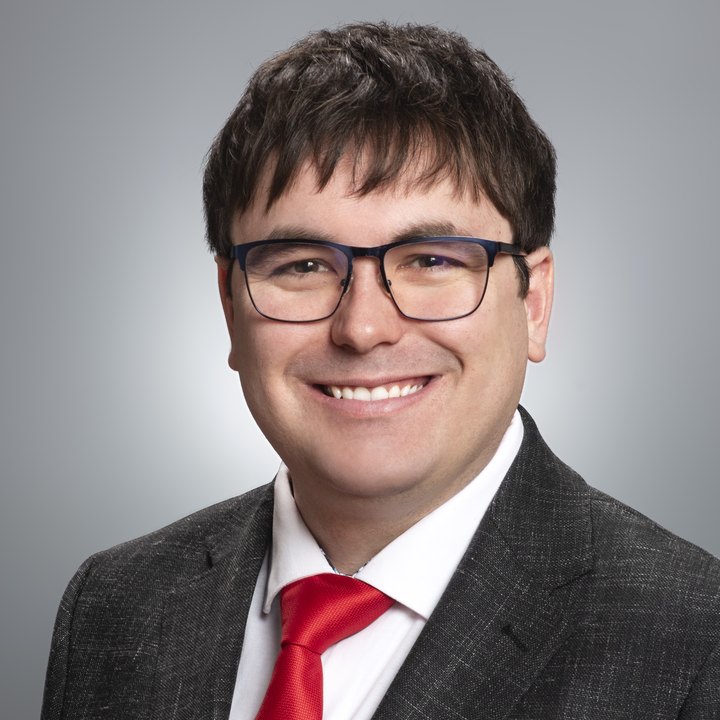
- Karim Bardeesysays the bill itself does a great deal to help parents
- Kevin LamoureuxStates the bill supports parents and fulfills government commitments to protect children online.

- Michael Coteaustates legislation is important to set expectations while noting parents' role.
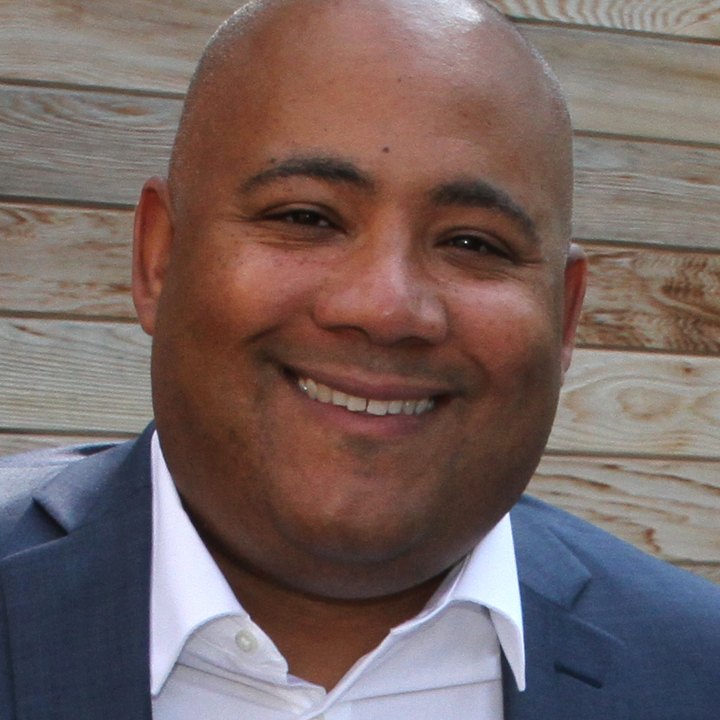
- Ruby SahotaExplains how bill addresses specific harmful content categories to protect Canadians online.
- Iqwinder GaheerArgues government regulation is needed because parents are stretched thin regulating children's social media use.

Who carries this bill
Arrows run from the person responsible to those who answer to them on this bill. The critic leads the Senate’s scrutiny and answers to no one on it.
Where members stand
For it 51
Voted for it, or spoke in support
















and 11 more
Challenging it 41
Support only with changes, or serious objections raised in debate

























and 1 more
Against it 2
Voted against it and argued against it

How it changed on the way
Only laws are compared, introduced against passed.
How precisely it is written
vagueChallenging the law: EasyDisputing a charge: Easy
The bill relies heavily on subjective phrases such as 'likely to', 'could cause', and 'reasonable to suspect' inside its definitions of harmful content. It also delegates most concrete obligations to future regulations and Commission guidelines rather than fixing clear rules in the statute itself.
Open to argument
“Duty to protect children”
The general duty is stated without any statutory definition of what protective steps are sufficient.“Duty to act responsibly”
The obligation is framed as a broad standard whose concrete content is left to regulations and guidelines.
Clear-cut
“child means a person who is under 18 years of age”
Uses a bright-line age threshold that requires no further interpretation.“regulated social media service means a social media service referred to in subsection 6 (1)”
Cross-reference to a specific subsection creates a closed category once the regulation is made.
Discretion. Extensive power is given to the Governor in Council and the Commission to define regulated services, prescribe required measures, issue guidelines, and set penalties through regulations and administrative orders.
Challenging the law itself. The combination of vague standards and broad discretion over expression-related duties engages section 2(b) of the Charter and supports arguments of vagueness or overbreadth.
Disputing a charge under it. An operator can readily dispute whether particular content meets the contextual 'likely to' or 'could cause' tests or whether its chosen measures satisfy the open-ended duties.
Read by a language model from the as introduced text; every quoted phrase appears in the bill. A reading of the drafting, not legal advice.
Did it work?
Only laws in force for two years or more are checked.
Who lobbied on it
No lobbying registration naming this bill is loaded.
Stages and dates from LEGISinfo.