Bill C-25 · 45th Parliament · Mark Carney
Strong and Free Elections Act
An Act to amend the Canada Elections Act and to enact An Act to change the names of certain electoral districts, 2026
Government bill. Became law.
- IntroducedMarch 26, 2026
- Debated in principleApril 24, 2026
- Studied by a committeeDone
- Passed its first chamberJune 11, 2026
- Passed the second chamberJune 18, 2026
- Became lawJune 18, 2026
Leading supporters
Ranked by the part each played: who is responsible for the bill, who carried it, and who spoke for it most.
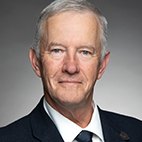
- Mark CarneyPrime Minister

Who carries this bill
Arrows run from the person responsible to those who answer to them on this bill. The critic leads the Senate’s scrutiny and answers to no one on it.
What it set out to do
On 26 March 2026, the Minister of Transport and Leader of the Government in the House of Commons introduced Bill C-25, An Act to amend the Canada Elections Act and to enact An Act to change the names of certain electoral districts, 2026 (Strong and Free Elections Act) in the House of Commons and it was given first reading. Bill C-25 amends the Canada Elections Act to, among other things, (a) establish new prohibitions and modify existing prohibitions, including in relation to foreign influence in the electoral process, accepting or offering a bribe, unauthorized use of a computer, making or publishing false or misleading information respecting elections and the candidate nomination process; (b) establish new prohibitions in relation to voting in a nomination contest or leadership contest; (c) prohibit the acceptance or use of certain contributions by political entities and third parties, including from anonymous sources; (d) provide for new requirements relating to political parties’ policies for the protection of personal information; and (e) expand the scope of certain provisions relating to the administration and enforcement of that Act, including by increasing the maximum admin…
Summary by the Library of Parliament.
Where members stand
Concurrence at report stage of Bill C-25 · 2026-06-10 · Passed
For it 27
Voted for it, or spoke in support
























Challenging it 36
Support only with changes, or serious objections raised in debate
































Against it 0
Voted against it and argued against it
How it changed on the way
28% of the text as introduced was changed or removed by the time it became law (13,227 words introduced, 13,396 passed). A committee amended it.
moderate changeintent mostly kept
The bill retained its main prohibitions on foreign influence, bribes, and misleading information but added new rules for securing ballot boxes at advance polls. Minor wording and structural adjustments were made to several foreign-entity and third-party provisions.
- New rules were added allowing candidates to sign seals on advance-poll ballot boxes and requiring officers to maintain custody and notify candidates of transfers.
After: “Candidates may sign seals (4.1) The candidates or their representatives may, when an advance polling station closes on each of the four days of advance polling, sign the seal on any ballot box that was used on that day.”
- A requirement was added for election officers to record transfers of sealed ballot boxes and notify candidates in writing.
After: “and (b) if they deliver the custody of the sealed ballot box or boxes into the custody of another election officer, make a record that they have done so and ensure that the candidates are notified in writing.”
How precisely it is written
mixedChallenging the law: ModerateDisputing a charge: Moderate
The bill mixes exact definitions, fixed dollar penalties and clear exceptions with repeated subjective phrases that turn on opinions, likelihoods and feasibility. This leaves room for argument over what conduct is caught and when duties arise.
Open to argument
“as soon as feasible after receiving them, in the manner that he or she considers appropriate”
Timing and method of publication are left to the Chief Electoral Officer’s judgment rather than fixed rules.“creates a real risk of significant harm to the individual”
The key trigger for notice uses an open-ended risk assessment and an undefined harm threshold.“an image that is likely to be mistaken for an image of any of those persons”
Liability hinges on a likelihood-of-confusion test that invites factual disputes.“take appropriate steps in the case of the loss of, unauthorized access to or unauthorized disclosure”
The duty to act is framed by an undefined standard of appropriateness.
Clear-cut
“Canadian individual means an individual who is a Canadian citizen or a permanent resident as defined in subsection 2(1) of the Immigration and Refugee Protection Act”
The term is tied to an existing statutory definition, removing ambiguity.“a fine of not more than $2,000 or to imprisonment for a term of not more than three months, or to both”
Maximum penalties are stated in fixed numbers.“Exception (3) A person does not commit an offence under subsection (1) if they establish that the image, imitation, audio recording or representation was manifestly for the purpose of parody or satire”
A bright-line defence is supplied in objective terms.
Discretion. The Chief Electoral Officer decides the manner and timing of report publication and the Commissioner decides when to seek production orders; maximum administrative penalties are set but exact amounts within those caps are left to enforcement discretion.
Challenging the law itself. Vague standards such as 'real risk of significant harm' and 'likely to be mistaken' could be attacked under section 2(b) or section 7 of the Charter for vagueness or overbreadth.
Disputing a charge under it. Accused persons can readily dispute whether an image is 'likely to be mistaken', whether harm is 'significant', or whether steps taken were 'appropriate'.
Read by a language model from the royal assent text; every quoted phrase appears in the bill. A reading of the drafting, not legal advice.
Did it work?
The evidence has not been searched yet.
Who lobbied on it
No lobbying registration naming this bill is loaded.
Stages and dates from LEGISinfo.