Bill C-48 · 42th Parliament · Justin Trudeau
Oil Tanker Moratorium Act
An Act respecting the regulation of vessels that transport crude oil or persistent oil to or from ports or marine installations located along British Columbia's north coast
Government bill. Became law.
- IntroducedMay 12, 2017
- Debated in principleOct. 4, 2017
- Studied by a committeeDone
- Passed its first chamberMay 8, 2018
- Passed the second chamberJune 13, 2019
- Became lawJune 20, 2019
Leading supporters
Ranked by the part each played: who is responsible for the bill, who carried it, and who spoke for it most.
- Justin TrudeauPrime Minister
- Mobina S. B. JafferSenate · Sponsor in the Senate
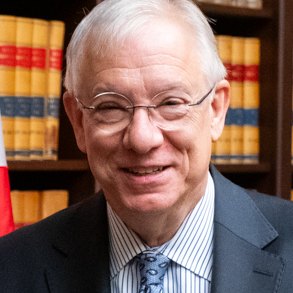
- Joyce MurrayLiberalExplicitly endorses protecting the coast via the tanker ban in Bill C-48.
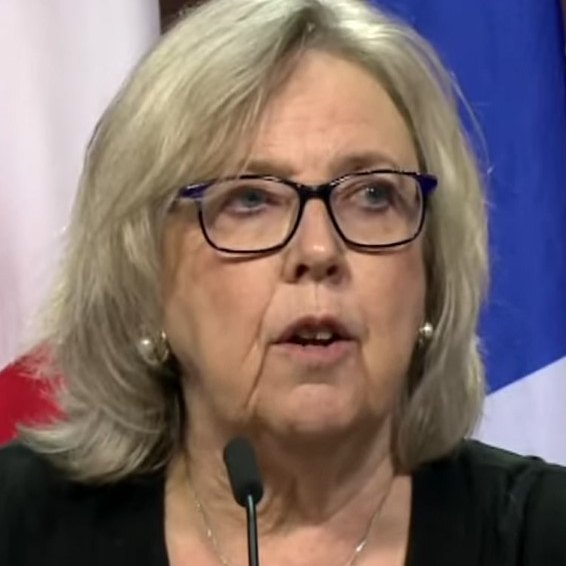
- Elizabeth MayGreenSpeaker explicitly rises to support the bill and the permanent tanker ban.
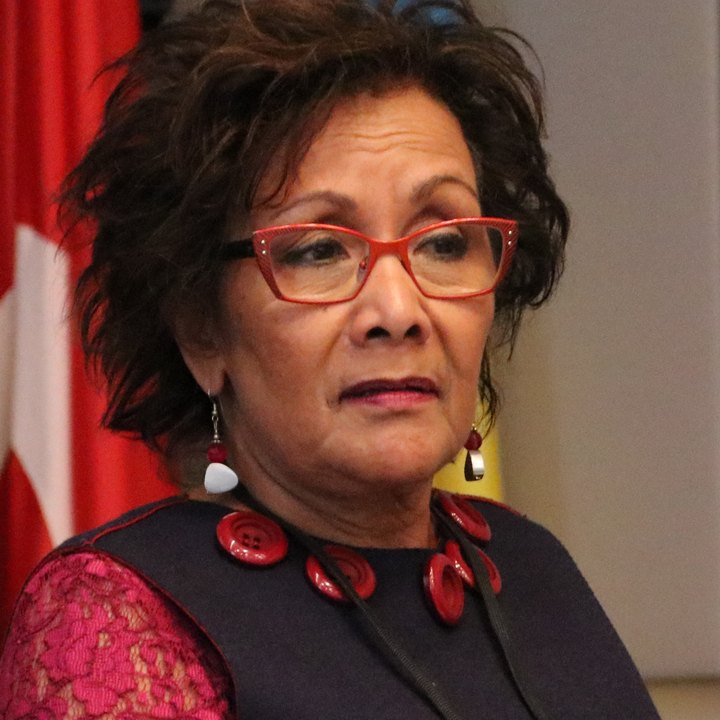
- Sheila MalcolmsonNDPstates they will be voting in favour of the bill
- The Assistant Deputy SpeakerNDP
- Kevin Lamoureux15 interventions in debatedefends government consistency on environment and oceans including this bill

- Marc Garneau15 interventions in debateHe introduces and defends the bill to protect the coastline from oil spills.
Who carries this bill
Arrows run from the person responsible to those who answer to them on this bill. The critic leads the Senate’s scrutiny and answers to no one on it.
What it set out to do
The pre-release version of this Legislative Summary is now available. Parliamentarians and their staff can obtain a copy by submitting a request or contacting the Library of Parliament. Members of the public can obtain a copy by the contacting the Information Service at the Library of Parliament. On 12 May 2017, the Minister of Transport introduced Bill C-48, An Act respecting the regulation of vessels that transport crude oil or persistent oil to or from ports or marine installations located along British Columbia's north coast (Oil Tanker Moratorium Act), in the House of Commons and it was given first reading. Bill C-48 enacts the Oil Tanker Moratorium Act, which prohibits oil tankers that are carrying more than 12?500 metric tons of crude oil or persistent oil as cargo from stopping, or unloading crude oil or persistent oil, at ports or marine installations located along British Columbia’s north coast from the northern tip of Vancouver Island to the Alaska border. The Act prohibits loading if it would result in the oil tanker carrying more than 12?500 metric tons of those oils as cargo. The Act also prohibits vessels and persons from transporting crude oil or persistent oil betw…
Summary by the Library of Parliament.
Where members stand
3rd reading and adoption of Bill C-48 · 2018-05-08 · Passed
- Voted for: 204
- Voted against: 85
- Did not vote: 47




































What the Senate tried to change
- adds safeguardsMurray SinclairAdds non-derogation clause for section 35 rights, ministerial duty to consider adverse effects on Indigenous rights, five-year parliamentary review, and regional assessment process involving B.C., Alberta, Saskatchewan and Indigenous bodies if Bill C-69 passes.Outcome not recorded in the debate · June 12, 2019 · Senate record
How it changed on the way
5% of the text as introduced was changed or removed by the time it became law (5,361 words introduced, 5,702 passed). A committee amended it.
minor changeintent mostly kept
The core oil tanker prohibition stayed intact. Parliament added Indigenous rights safeguards, a ministerial duty to weigh adverse effects, public access to orders, and a five-year review.
- Inserted new section affirming Indigenous rights under the Constitution.
After: “Rights of Indigenous peoples 3.1 For greater certainty, nothing in this Act is to be construed as abrogating or derogating from the protection provided for the rights of the Indigenous peoples of Canada by the recognition and affirmation of those rights in section 35 of the Constitution Act, 1982”
- Added ministerial duty to consider adverse effects on Indigenous rights.
After: “Duty to consider — adverse effects 3.2 When making a decision under this Act, the Minister must consider any adverse effects that the decision may have on the rights of the Indigenous peoples of Canada recognized and affirmed by section 35 of the Constitution Act, 1982”
- Required public release of ministerial orders.
After: “Publication (3) After making an order under subsection (1), the Minister must make it accessible to the public on the Internet or by any other means that he or she considers appropriate.”
- Mandated parliamentary review after five years covering environment, social and economic conditions, and Indigenous peoples.
After: “Review 32 (1) During the fifth year after the day on which this section comes into force, a review of the provisions and operation of this Act must be undertaken by any committee of the Senate, of the House of Commons or of both Houses of Parliament that is designated or established for that purpose, including a review of the impact of this Act on the environment, on social and economic conditions and on the Indigenous peoples of Canada.”
How precisely it is written
mixedChallenging the law: ModerateDisputing a charge: Moderate
The Act uses clear definitions and fixed penalties but relies heavily on ministerial opinion and reasonable-grounds tests. This mix leaves room for argument over when powers apply.
Open to argument
“if he or she is of the opinion that the exemption is essential for the purpose of community or industry resupply or is otherwise in the public interest”
Subjective ministerial judgment replaces an objective test.“If the Minister has reasonable grounds to believe”
Repeated reasonable-belief standard invites disputes over sufficiency of evidence.“in any manner that they consider appropriate”
Broad discretion on disposal of samples and publication of orders.
Clear-cut
“liable (a) on conviction on indictment, to a fine of not more than $5,000,000”
Maximum fines and conviction routes are stated in exact dollar amounts.“within 30 days after the day on which the order was made”
Fixed time limits govern detention and charging.“crude oil means any liquid hydrocarbon mixture that occurs naturally in the earth”
Core terms receive detailed statutory definitions.
Discretion. The Minister may exempt tankers, issue directions, authorize sales, and amend the schedule by regulation, with many decisions turning on the Minister's opinion or what designated persons consider appropriate.
Challenging the law itself. Vague phrases such as 'public interest' and 'reasonable grounds' could support a vagueness or overbreadth claim under Charter s. 7.
Disputing a charge under it. Objective elements like 30-day periods and dollar fines are easy to apply, but challenges can arise over whether 'reasonable grounds' or due diligence existed.
Read by a language model from the royal assent text; every quoted phrase appears in the bill. A reading of the drafting, not legal advice.
Did it work?
no evaluation found
Who lobbied on it
No lobbying registration naming this bill is loaded.
Stages and dates from LEGISinfo.