Bill S-8 · 41th Parliament · Stephen Harper
Safe Drinking Water for First Nations Act
An Act respecting the safety of drinking water on First Nation lands
Government bill. Became law.
- IntroducedFeb. 28, 2012
- Debated in principleApril 24, 2012
- Studied by a committeeDone
- Passed its first chamberJune 17, 2012
- Passed the second chamberJune 10, 2013
- Became lawJune 18, 2013
Leading supporters
Ranked by the part each played: who is responsible for the bill, who carried it, and who spoke for it most.
- Stephen HarperPrime Minister
- Rebecca PattersonSenate · Sponsor in the Senate
- Greg RickfordStates directly that the Conservative government will support the bill and urges colleagues to vote in favour.
- LaVar Payneexpresses pleasure at speaking to the bill and calls regulations desperately needed.
- John DuncanMoves the bill and states he is proud to speak in support of it as essential legislation.
- Laurie HawnExplicitly declares support based on evidence and reports.
- Kelly BlockStates explicit support for the bill and notes collaboration with first nations.

- Chris WarkentinDefends government infrastructure investments and committee work on the bill.

Who carries this bill
Arrows run from the person responsible to those who answer to them on this bill. The critic leads the Senate’s scrutiny and answers to no one on it.
What it set out to do
On 29 February 2012, the Leader of the Government in the Senate introduced Bill S-8, An Act respecting the safety of drinking water on First Nation lands (Safe Drinking Water for First Nations Act) in the Senate and it was given first reading. Bill S-8 addresses health and safety issues on reserve lands and certain other lands by providing for regulations to govern drinking water and waste water treatment in first nations communities. Among other things, it • provides First Nation communities with drinking water and wastewater standards comparable to provincial or territorial standards off reserves; • establishes a common base to evaluate the effectiveness of the operation, design and maintenance of water and wastewater systems; and • allows for regional flexibility, as federal regulations could vary from province to province and territory to territory.
Summary by the Library of Parliament.
Where members stand
That · 2013-05-08 · Passed
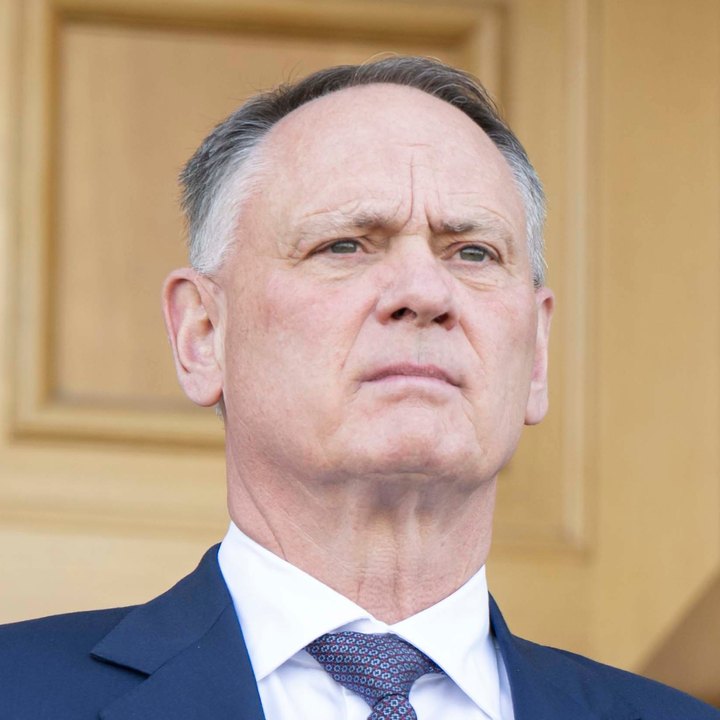
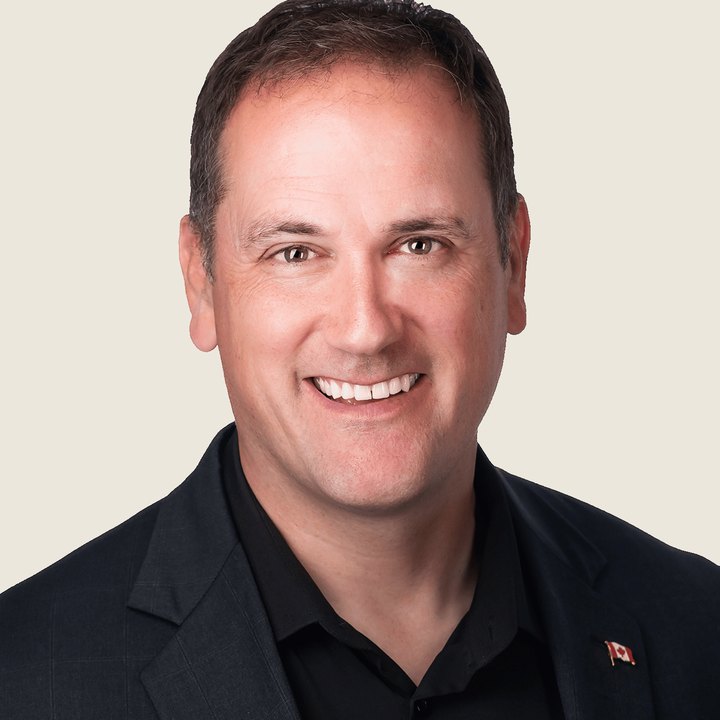



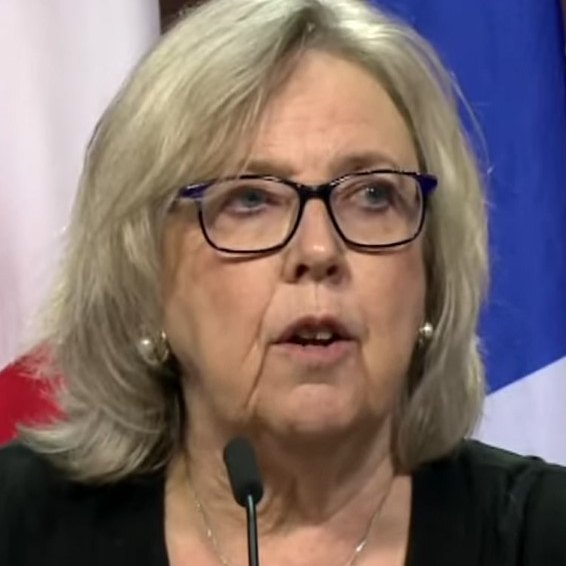
What the Senate tried to change
- removes provisionsLillian Eva Dyckremoves the exception allowing derogation from Aboriginal or treaty rights under section 35 of the Constitution Act, 1982, to the extent necessary to ensure the safety of drinking water on First Nation landsOutcome not recorded in the debate · June 13, 2012 · Senate record
How it changed on the way
70% of the text as introduced was changed or removed by the time it became law (3,048 words introduced, 2,725 passed).
substantial changeintent narrowed
The bill removed all provisions allowing Aboriginal bodies to be designated as First Nations and eliminated the related schedule. It added a new clause capping penalties at provincial levels for equivalent offences.
- Removed Aboriginal bodies from definitions of First Nation and First Nation lands.
Before: “(c) an Aboriginal body named in column 1 of the schedule.”
- Added limit on penalties so they cannot exceed provincial law.
After: “(2) If a contravention of the regulations that is an offence under paragraph (1)(f) would have been an offence under provincial law had the contravention occurred outside First Nation lands in the province in which it occurred, the fine or term of imprisonment imposed for the contravention by the regulations may not exceed that imposed by provincial”
How precisely it is written
mixedChallenging the law: ModerateDisputing a charge: Hard
The Act supplies clear definitions and some hard limits on what regulations may cover, yet delegates sweeping power to the Governor in Council to create province-specific rules and confer broad enforcement powers. Much of the actual content and procedure is left to future regulations or provincial incorporation.
Open to argument
“confer on any person or body any legislative, administrative, judicial or other power that the Governor in Council considers necessary”
Subjective necessity test plus open-ended list of powers invites argument over scope.“except to the extent necessary to ensure the safety of drinking water on First Nation lands”
Undefined threshold of necessity creates uncertainty around section 35 rights.
Discretion. Almost all operational standards, enforcement mechanisms, fees, penalties, and administrative structures are left to regulations made by the Governor in Council on ministerial recommendation, with further delegation possible to provinces or other bodies.
Challenging the law itself. Broad delegation and the qualified non-derogation clause could support a vagueness or overbreadth argument under section 35 of the Constitution Act, 1982, though the framework nature of the statute makes success uncertain.
Disputing a charge under it. Because the Act itself creates no direct offences and merely authorizes regulations, a person charged would have to challenge the validity or interpretation of the specific regulation rather than the statute.
Read by a language model from the royal assent text; every quoted phrase appears in the bill. A reading of the drafting, not legal advice.
Did it work?
not effective
The Safe Drinking Water for First Nations Act enabled but never resulted in regulations establishing enforceable standards comparable to those off-reserve, as confirmed by multiple Auditor General audits showing a persistent regulatory gap and ongoing long-term drinking water advisories. It was repealed in 2022 amid class-action settlements and efforts to replace it with new legislation.
- Auditor General of Canada Report 3—Access to Safe Drinking Water in First Nations Communities (2021)auditNo regulatory regime was in place despite the 2013 Act; no supporting regulations were developed, leaving First Nations without enforceable protections comparable to provincial/territorial standards.
- Auditor General of Canada Follow-up on Programs for First Nations (2025)auditThe regulatory gap identified in prior audits (including 2005 and 2021) remains despite the Safe Drinking Water for First Nations Act, which was repealed in 2022; 35 long-term advisories persisted as of April 2025.
- Evaluation of the First Nations Water and Wastewater Action PlanevaluationIt is too soon to tell whether investments and regulations under the Safe Drinking Water for First Nations Act will result in systems meeting standards, with concerns over infrastructure and capacity limitations.
- House of Commons Standing Committee on Public Accounts Report (2022)reviewNo regulatory regime established under the 2013 Act 15 years after the Auditor General first recommended it, contributing to failure to eliminate long-term drinking water advisories.
Who lobbied on it
No lobbying registration naming this bill is loaded.
Stages and dates from LEGISinfo.