Bill S-206 · 41th Parliament · Stephen Harper
World Autism Awareness Day Act
An Act respecting World Autism Awareness Day
Senate bill. Became law.
- IntroducedOct. 3, 2011
- Debated in principleOct. 25, 2011
- Studied by a committeeDone
- Passed its first chamberNov. 28, 2011
- Passed the second chamberOct. 23, 2012
- Became lawOct. 31, 2012
Leading supporters
Ranked by the part each played: who is responsible for the bill, who carried it, and who spoke for it most.
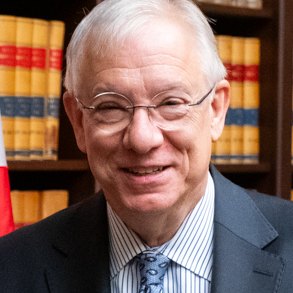
- Jim MunsonSenate · Sponsor in the Senate
- Harold Albrecht11 interventions in debateexplicitly backs the bill and urges the House to support it.
- Hedy Fry2 interventions in debatespeaks in support of the bill and notes Liberal Party backing.
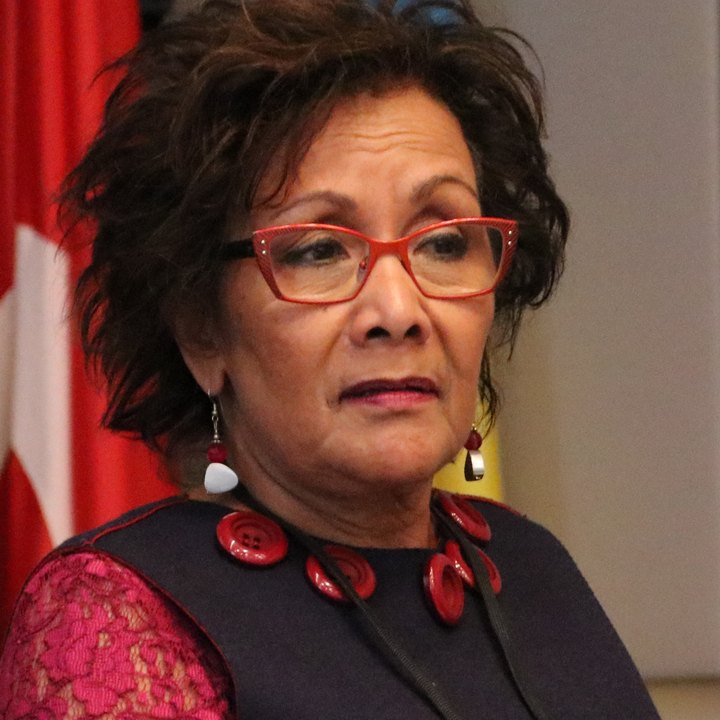
- Mike Lake2 interventions in debatethanks sponsors and expresses excitement for the bill's passage without debate.

- Élaine MichaudShe states it is time for the federal government to designate the day.
- Jacques GourdeHe notes the government has already designated the day and highlights the bill's value.

- Sana HassainiaShe welcomes the initiative and says families will finally get the recognition they deserve.
- Libby Daviesstates NDP support for the bill and agreement to quick passage.
Who carries this bill
Arrows run from the person responsible to those who answer to them on this bill. The critic leads the Senate’s scrutiny and answers to no one on it.
Where members stand
That the Bill be now read a second time and referred to the Standing Committee on Health. · 2012-06-20 · Passed


How it changed on the way
61% of the text as introduced was changed or removed by the time it became law (489 words introduced, 474 passed).
minor changeintent kept
The bill passed with only updates to dates, session references, and formal headings. The preamble and the core designation of April 2 as World Autism Awareness Day stayed exactly the same.
- Updated the parliamentary session and year references in the header.
Before: “First Session, Forty-first Parliament, 60 Elizabeth II, 2011”
After: “First Session, Forty-first Parliament, 60-61 Elizabeth II, 2011-2012”
- Replaced introduction details with royal assent information.
Before: “FIRST READING, OCTOBER 4, 2011 THE HONOURABLE SENATOR MUNSON”
After: “[Assented to 1st November, 2012]”
How precisely it is written
preciseChallenging the law: HardDisputing a charge: Hard
The Act contains only one operative sentence that uses a fixed calendar date and a defined name. All other content is non-binding preamble with no legal effect.
Clear-cut
“the second day of April shall be known as "World Autism Awareness Day"”
Uses an exact recurring date and a capitalized defined term with no qualifiers.“Throughout Canada, in each and every year”
Objective geographic and temporal scope with no discretion or subjective test.
Discretion. No power is granted to any minister, official or regulation; the designation is automatic and self-executing.
Challenging the law itself. The Act imposes no duties or restrictions and therefore engages no Charter rights that could ground a vagueness or overbreadth claim.
Disputing a charge under it. The provision creates no offence or obligation, so no person can be accused of breaching it.
Read by a language model from the royal assent text; every quoted phrase appears in the bill. A reading of the drafting, not legal advice.
Did it work?
The evidence has not been searched yet.
Who lobbied on it
No lobbying registration naming this bill is loaded.
Stages and dates from LEGISinfo.