Bill C-47 · 39th Parliament · Stephen Harper
Olympic and Paralympic Marks Act
An Act respecting the protection of marks related to the Olympic Games and the Paralympic Games and protection against certain misleading business associations and making a related amendment to the Trade-marks Act
Government bill. Became law.
- IntroducedMarch 2, 2007
- Debated in principleMay 17, 2007
- Studied by a committeeDone
- Passed its first chamberJune 14, 2007
- Passed the second chamberJune 20, 2007
- Became lawJune 22, 2007
Leading supporters
Ranked by the part each played: who is responsible for the bill, who carried it, and who spoke for it most.
- Stephen HarperPrime Minister
- Marjory LeBretonSenate · Sponsor in the Senate
- Sukh DhaliwalSpeaks positively as a British Columbian about the bill and Olympics importance.
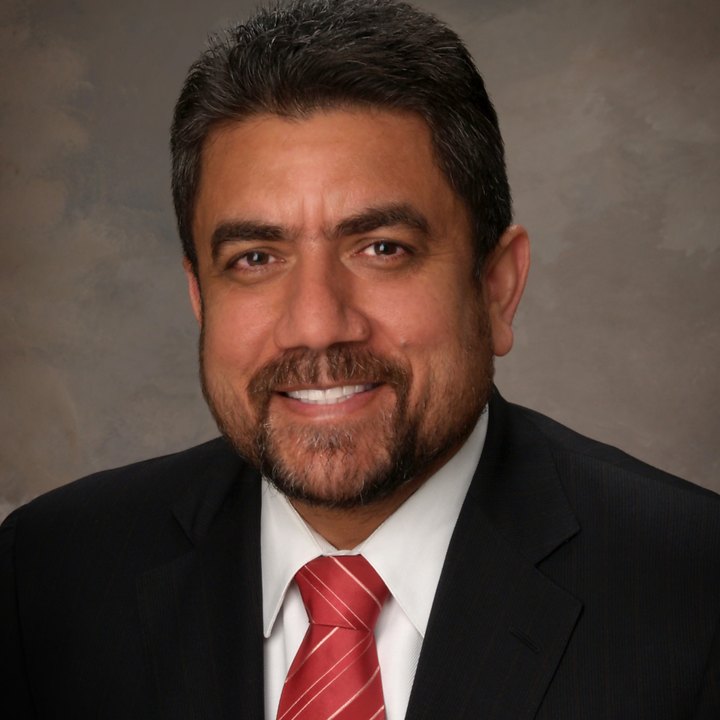
- Larry W. CampbellSenate · SenatorDescribed the bill as important for the Olympics, Vancouver, British Columbia and Canada and urged support.
- Betty Hintongives assurances from organizers and speaks positively about the games
- James Mooreproudly introduces and explains the bill as necessary to protect the games and their economic health
- Hedy Fryexplains and defends the bill's purpose of protecting trademarks and preventing misleading associations
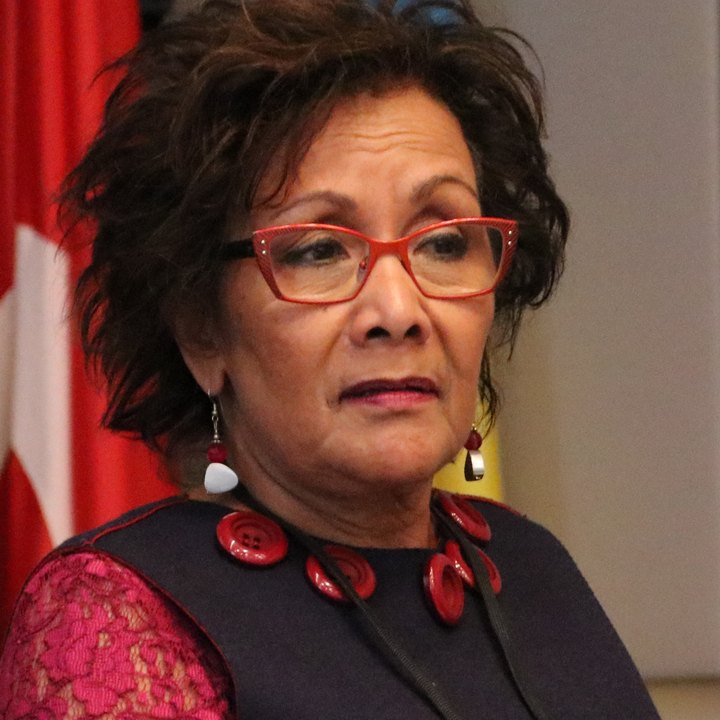
- Paule BrunelleExpresses pleasure at speaking to the bill and stresses protecting Olympic marks.
Who carries this bill
Arrows run from the person responsible to those who answer to them on this bill. The critic leads the Senate’s scrutiny and answers to no one on it.
Where members stand
How it changed on the way
74% of the text as introduced was changed or removed by the time it became law (3,266 words introduced, 3,308 passed). A committee amended it.
substantial changeintent mostly kept
The passed act added two new exceptions to the prohibitions and expanded one clarification clause. Core prohibitions, remedies, and schedules remained intact.
How precisely it is written
mixedChallenging the law: ModerateDisputing a charge: Moderate
The Act mixes tight definitions, fixed dates and listed exceptions with repeated subjective tests and open-ended court or regulatory powers. This leaves room for argument over what counts as misleading or appropriate in many cases.
Open to argument
“as to be likely to be mistaken for it”
Subjective likelihood test invites disputes over resemblance rather than using an objective checklist.“misleads or is likely to mislead the public into believing”
Relies on an impression-based standard instead of concrete criteria for approval or endorsement.“in the opinion of the Governor in Council”
Grants broad discretion to add expressions to Schedule 3 without statutory limits.“make any order that it considers appropriate in the circumstances”
Leaves remedy scope to judicial discretion rather than enumerated powers.
Clear-cut
“more than three years before the commencement of an action”
Sets a clear limitation period for remedies.“within 10 days after receipt of the request”
Provides an exact time frame for response to authorization requests.
Discretion. The Governor in Council may prescribe periods by regulation and amend Schedule 3 at will, while courts decide detention, destruction and any other appropriate orders with minimal statutory constraints.
Challenging the law itself. Vague phrases such as 'likely to mislead' and broad remedial discretion could support a Charter s. 2(b) overbreadth or vagueness challenge.
Disputing a charge under it. Accused parties can readily argue over whether conduct meets the 'likely to mislead' or 'necessary to explain' standards or falls within one of the many listed exceptions.
Read by a language model from the royal assent text; every quoted phrase appears in the bill. A reading of the drafting, not legal advice.
Did it work?
no evaluation found
Who lobbied on it
No lobbying registration naming this bill is loaded.
Stages and dates from LEGISinfo.