Bill S-9 · 41th Parliament · Stephen Harper
Nuclear Terrorism Act
An Act to amend the Criminal Code
Government bill. Became law.
- IntroducedMarch 26, 2012
- Debated in principleMay 16, 2012
- Studied by a committeeDone
- Passed its first chamberJune 25, 2012
- Passed the second chamberMay 21, 2013
- Became lawJune 18, 2013
Leading supporters
Ranked by the part each played: who is responsible for the bill, who carried it, and who spoke for it most.
- Stephen HarperPrime Minister
- A. Raynell AndreychukSenate · Sponsor in the Senate
- Sylvain ChicoineHe describes Canada's long involvement in international cooperation on the treaties.
- Chris Alexanderaffirms Canada's leadership and obligations on nuclear terrorism
- Jonathan Genest-Jourdainaddresses the bill's offences in the context of current events
- Tarik BrahmiHe addresses the bill's alignment with international conventions Canada signed.
- Craig Scottdescribes bill as aligning law with treaty obligations
- Kevin Lamoureuxwelcomes the bill to implement treaties after years of discussion
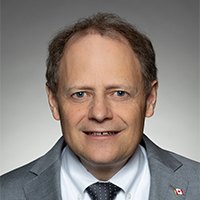
Who carries this bill
Arrows run from the person responsible to those who answer to them on this bill. The critic leads the Senate’s scrutiny and answers to no one on it.
Where members stand
That the Bill be now read a third time and do pass. · 2013-05-21 · Passed
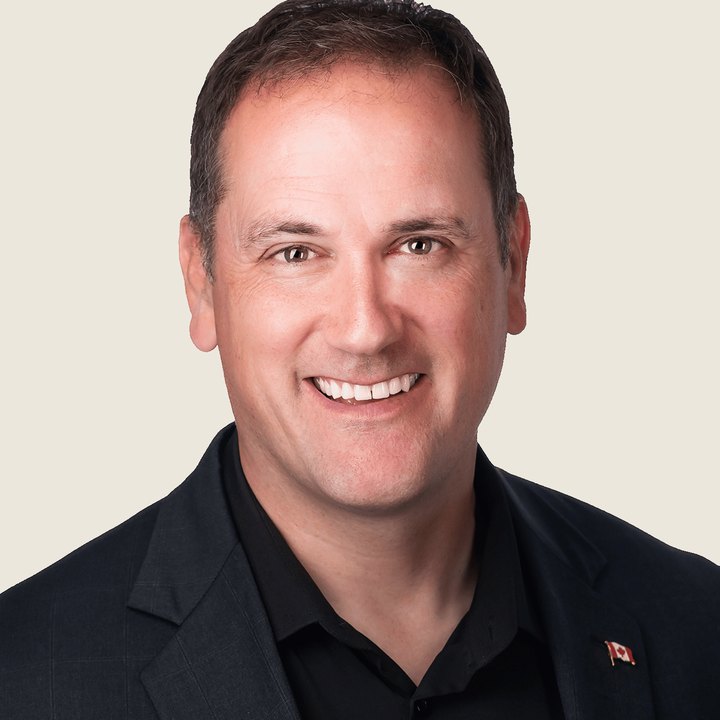
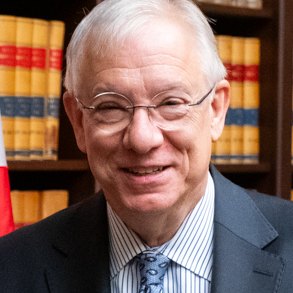
What the Senate tried to change
- adds provisionsSenator JoyalProhibits the making of radioactive devices, relating only to devices and not legal production of materials.Adopted · June 26, 2012 · Senate record
How it changed on the way
87% of the text as introduced was changed or removed by the time it became law (2,548 words introduced, 1,586 passed).
minor changeintent broadened
The bill passed with one substantive addition to the core offences. Section 82.3 was expanded to cover making a device, and minor wording was adjusted in 82.4 for consistency.
- Section 82.3 was broadened to include making a device.
Before: “sesses, uses, transfers, exports, imports, alters or disposes of nuclear material, radioactive materi- al or a device or who commits an act against a nuclear facility”
After: “makes a device or possesses, uses, transfers, exports, imports, alters or disposes of nuclear material, radioactive material or a device or commits an act against a nuclear facility”
- Section 82.4 wording was streamlined by removing 'who'.
Before: “or who commits an act against a nuclear facility”
After: “or commits an act against a nuclear facility”
How precisely it is written
mostly preciseChallenging the law: HardDisputing a charge: Moderate
The bill supplies exact lists, isotopic thresholds and numerical penalties that fix the core offences in black-and-white terms. A few open-ended phrases still require judgment calls about degree of harm or disruption.
Open to argument
“serious bodily harm or substantial damage to property or the environment”
Both 'serious' and 'substantial' are qualitative thresholds that invite argument over what counts.“serious interference with or serious disruption of its operations”
The word 'serious' twice supplies a subjective standard rather than an objective metric.“in accordance with customary international law or conventional international law”
The exception turns on an external, evolving body of law rather than a fixed statutory rule.
Clear-cut
“liable to imprisonment for a term of not more than 14 years”
A fixed maximum sentence leaves no sentencing discretion in the offence definition itself.“plutonium, except plutonium with an isotopic concentration of plutonium-238 that is greater than 80%”
An exact percentage carve-out creates a bright-line exclusion.
Discretion. The Act leaves the coming-into-force date to the Governor in Council and incorporates an open-ended international-law exception for armed-conflict conduct.
Challenging the law itself. Detailed material definitions and specific intent requirements make a successful vagueness or overbreadth challenge under s. 7 of the Charter unlikely.
Disputing a charge under it. An accused could contest whether the required level of 'serious' or 'substantial' harm was met, but the listed materials and numerical thresholds limit the scope of that dispute.
Read by a language model from the royal assent text; every quoted phrase appears in the bill. A reading of the drafting, not legal advice.
Did it work?
no evaluation found
Who lobbied on it
No lobbying registration naming this bill is loaded.
Stages and dates from LEGISinfo.