Bill C-42 · 40th Parliament · Stephen Harper
Ending Conditional Sentences for Property and Other Serious Crimes Act
An Act to amend the Criminal Code
Government bill. Died when Parliament ended.
- IntroducedJune 15, 2009
- Debated in principleOct. 26, 2009
- Studied by a committeeNot reached
- Passed its first chamberNot reached
- Passed the second chamberNot reached
- Became lawNot reached
Leading supporters
Ranked by the part each played: who is responsible for the bill, who carried it, and who spoke for it most.
- Stephen HarperPrime Minister
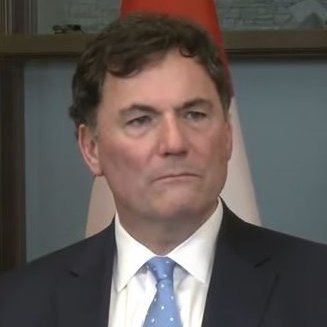
- Ed Faststates the bill eliminates conditional sentences for all serious criminal offences
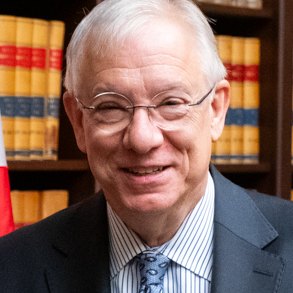
- Paul Szaboexplicitly states Liberal Party will support at second reading to send to committee
- Brent Rathgeberdefends bill and criticizes opposing views on sentencing priorities
- Shelly Gloverargues further reforms are needed so conditional sentences are not imposed for serious crimes.
- Mr. Gordon Brownstates constituents are happy with government initiatives to get tough on crime and find the bill timely.
- Rick Norlockpresents bill as fulfilling platform to restrict conditional sentences for serious crimes
- Greg Rickfordhonoured to speak on the bill that limits conditional sentencing for serious offences.
Who carries this bill
Arrows run from the person responsible to those who answer to them on this bill. The critic leads the Senate’s scrutiny and answers to no one on it.
What it set out to do
On 15 June 2009, The Minister of Justice introduced Bill C-42, An Act to amend the Criminal Code (Ending Conditional Sentences for Property and Other Serious Crimes Act), in the House of Commons and it was given first reading. Bill C-42 amends section 742.1 of the Criminal Code to eliminate the reference to serious personal injury offences and to restrict the availability of conditional sentences for individuals convicted of • any offence for which the law prescribes a maximum penalty of 14 years or life; • any offence prosecuted by indictment and for which the law prescribes a maximum penalty of 10 years that results in bodily harm, involves the import/export, trafficking or production of drugs or involves the use of a weapon; • a listed offence prosecuted by indictment and for which the law prescribes a maximum penalty of 10 years.
Summary by the Library of Parliament.
Where members stand
That the Bill be now read a second time and referred to the Standing Committee on Justice and Human Rights. · 2009-10-26 · Passed


How it changed on the way
Only laws are compared, introduced against passed.
How precisely it is written
The drafting has not been read yet.
Did it work?
Only laws in force for two years or more are checked.
Who lobbied on it
No lobbying registration naming this bill is loaded.
Stages and dates from LEGISinfo.