Bill C-24 · 39th Parliament · Stephen Harper
Softwood Lumber Products Export Charge Act, 2006
An Act to impose a charge on the export of certain softwood lumber products to the United States and a charge on refunds of certain duty deposits paid to the United States, to authorize certain payments, to amend the Export and Import Permits Act and to amend other Acts as a consequence
Government bill. Became law.
- IntroducedSept. 20, 2006
- Debated in principleOct. 18, 2006
- Studied by a committeeDone
- Passed its first chamberDec. 6, 2006
- Passed the second chamberDec. 13, 2006
- Became lawDec. 14, 2006
Leading supporters
Ranked by the part each played: who is responsible for the bill, who carried it, and who spoke for it most.
- Stephen HarperPrime Minister
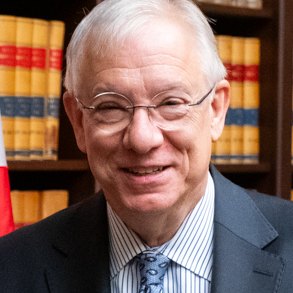
- David TkachukSenate · Sponsor in the Senate
- Guy AndréStates the Bloc decided to support the agreement after analysis and consultations.
- Pierre PaquetteStates the Bloc will support the bill as requested by Quebec industry and unions.
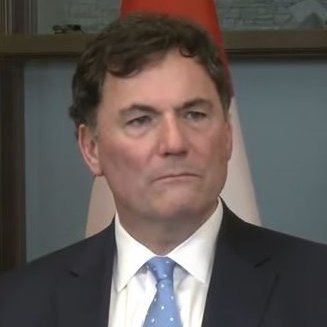
- David EmersonAs minister he moves the bill and presents the agreement as necessary to end disputes.
- Helena GuergisShe explicitly asks members to support the bill and calls the agreement good for Canada and industry.
- Gerald KeddyStates that every sawmill in his riding supports the agreement and criticizes opponents.
- Robert Bouchardstates the Bloc supports the agreement responsibly despite it not being good
Who carries this bill
Arrows run from the person responsible to those who answer to them on this bill. The critic leads the Senate’s scrutiny and answers to no one on it.
Where members stand
That the amendment be amended by adding the following: “specifically because it fails to immediately provide loan guarantees to softwood companies · 2006-10-04 · Failed





How it changed on the way
71% of the text as introduced was changed or removed by the time it became law (34,566 words introduced, 33,252 passed). A committee amended it.
substantial changeintent mostly kept
The core export charge on softwood lumber products to the US was retained with the same structure and definitions, but the start date shifted from October 1 to October 12, 2006. Atlantic and territorial exports moved from separate sections into a consolidated exclusions clause, with small wording tweaks for rail timing and charge application.
- Effective date of the charge advanced from October 1 to October 12.
Before: “The charge on exports will take effect on October 1, 2006 and will be payable by exporters of softwood lumber products.”
After: “The charge on exports will take effect on October 12, 2006 and will be payable by exporters of softwood lumber products.”
- Charge now applies after October 11 instead of September 30 and references new exclusions.
Before: “Every person who exports a soft- wood lumber product to the United States after September 30, 2006, shall pay to Her Majesty in right of Canada a charge as determined under this Act in respect of the export.”
After: “Subject to the exclusions provided for in subsection 11(1), every person who exports a softwood lumber product to the United States after October 11, 2006, shall pay to Her Majesty in right of Canada a charge as determined under this Act in respect of the export.”
- Atlantic provinces and territories moved into explicit exclusions list.
Before: “Export from Atlantic provinces 15. Export from territories”
After: “(a) exports from Nova Scotia, New Bruns- wick, Prince Edward Island or Newfoundland and Labrador; (b) exports from Yukon, the Northwest Territories or Nunavut;”
- Rail export timing clarified from assembly to release to railway.
Before: “the time at which the railcar that contains it was assembled to form part of a train for export.”
After: “the time at which the railcar that contains it was released to the railway for assembly to form part of a train for export.”
How precisely it is written
mostly preciseChallenging the law: HardDisputing a charge: Moderate
The Act supplies many exact definitions, fixed dollar thresholds, calendar periods and conversion rules that leave little room for argument. Some phrases still delegate details to regulations or let officials decide what is reasonable.
Open to argument
“in the prescribed manner”
Leaves form and procedure to be set later by the Minister rather than stating them in the Act.
Clear-cut
“within two years after the day on which the amount was paid by the person”
Fixes a clear, calendar-based limitation period.
Discretion. The Minister and Governor in Council retain wide power to set forms, grant exemptions, waive interest or penalties up to ten years later, and amend the schedule by regulation.
Challenging the law itself. The text contains no obvious vagueness or overbreadth that would readily engage section 7 or section 2(b) Charter arguments.
Disputing a charge under it. Clear numerical and definitional rules make most violations straightforward to prove, but phrases such as 'reasonably be regarded' could still be disputed.
Read by a language model from the royal assent text; every quoted phrase appears in the bill. A reading of the drafting, not legal advice.
Did it work?
no evaluation found
Who lobbied on it
No lobbying registration naming this bill is loaded.
Stages and dates from LEGISinfo.